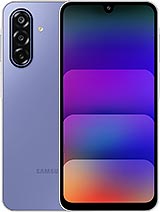
 Repair parts Samsung Galaxy F17
If that gorgeous 6.7-inch, 90Hz Super AMOLED display took a nasty spill, there is absolutely no need to panic! We know how crucial those 1100 nits of brightness are for your daily mobile experience, which is why we provide the most flawless replacement screens on the market, including Original Service Pack, OLED, and INCELL options. By swapping out the shattered glass or damaged LCD, we instantly restore that buttery-smooth visual magic. It is incredibly rewarding to fix what we already love, maintaining its sleek 164.4 x 77.9 x 7.5 mm profile and lightweight 192g feel without compromising an ounce of original quality.
Whether we need to swap out an exhausted battery, fix a damaged camera module, or replace internal components like the motherboard, housing, speakers, microphones, or vibrators for the SM-E176B/DS model, we are fully covered! We stock the absolute highest quality spare parts tailored specifically for your exact device. Let's conquer the e-waste trend with pure enthusiasm and give your Galaxy F17 the epic comeback it truly deserves!
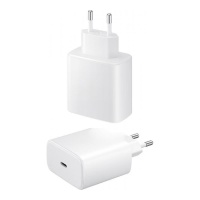
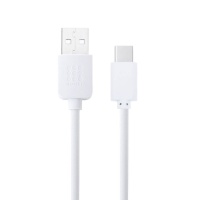
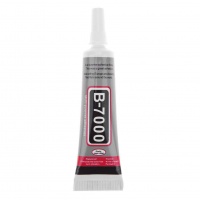
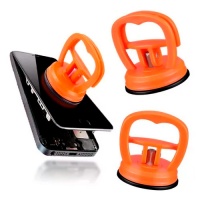
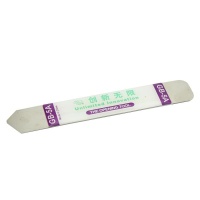
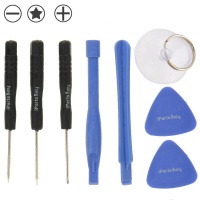
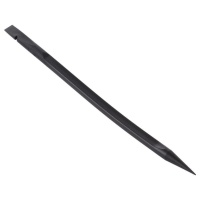

Receive it on wednesday 14 de october


💡 Did You Know? 70% of Discarded Phones Only Need a Simple Repair: Why You Should Fix Your Samsung Galaxy F17
The electronic waste crisis is one of the most pressing environmental challenges of our modern era, yet the solution is often resting right in the palm of our hands. A staggering statistic reveals that nearly 70% of devices thrown away each year suffer from minor, easily reversible damage. Instead of ending up in a landfill, these units simply require a basic fix to function perfectly once again. Understanding the internal architecture of modern electronics reveals that most failures are isolated to single, replaceable components, meaning the core computing power of the device remains completely intact and ready for years of continued use.
Consider a highly relatable scenario: you are stepping out of your car, your hands are full of groceries, and suddenly, your device slips. It hits the pavement face-down. The immediate surge of panic is usually followed by a dreadful assumption that you must buy a completely new unit. However, this common situation rarely signifies the end of the line for your technology. In reality, the damage is almost always superficial, isolated to the outer protective layers while the intricate internal machinery survives the impact completely unscathed.
Choosing to repair your Samsung Galaxy F17 is a profoundly smart decision that yields massive financial and environmental benefits. When you compare the staggering price tag of the latest flagship releases to the minimal cost of a replacement part, the economic advantage is undeniable. Furthermore, by opting for a repair, you actively reduce the demand for rare earth metals and manufacturing energy, playing a direct role in combating the global e-waste epidemic. It is a dual victory for both your wallet and the planet.
Educating yourself on the anatomy of your smartphone is the first step toward technological independence. By learning which parts are modular and designed to be swapped out, you gain the confidence to maintain your technology rather than unnecessarily discarding it. Discover the perfect solution for your device today, and join the growing movement of smart, sustainable device ownership.
📱 Bringing Back the Brilliance: Choosing the Right Screen Replacement for Your 6.7-inch Super AMOLED Display
The visual centerpiece of the Samsung Galaxy F17 is undeniably its breathtaking 6.7-inch display, offering an expansive 110.2 cm² of viewing area. This device utilizes advanced Super AMOLED technology, which is fundamentally different from traditional LCD panels. In an AMOLED screen, each individual pixel generates its own light. This allows for infinite contrast ratios and perfect, deep blacks, because pixels displaying black are simply turned off completely. Combined with a fluid 90Hz refresh rate and a blindingly bright 1100 nits of peak brightness, this display is an engineering marvel designed for ultimate visual immersion.
Imagine relaxing on a sunny afternoon, attempting to read a fascinating article or watch a vibrant video, but your experience is ruined by a spiderweb of cracked glass distorting the text and colors. It is crucial to understand that a shattered front glass or a malfunctioning display panel does not mean your phone is dead. The display module is an independent layer attached to the main logic board. By replacing this specific module, the visual fidelity and touch responsiveness can be completely restored to factory standards.
When you decide to execute a fix on your display, understanding the different quality grades available on the market is vital. Original Service Pack replacements are manufactured directly by the original brand, guaranteeing the exact 90Hz refresh rate, the flawless 1100 nits of brightness, and the precise color calibration you are used to. On the other hand, high-quality aftermarket OLED or INCELL alternatives offer a more budget-friendly approach, restoring full touch functionality and great colors, albeit sometimes with slight variations in maximum brightness or bezel thickness compared to the original.
By educating yourself on these technical nuances, you are empowered to make a purchase that perfectly aligns with your budget and visual expectations. Replacing the display is a straightforward procedure that breathes new life into your multimedia experience, ensuring every photo, video, and game looks exactly as the creators intended. Discover the perfect display solution for your device and bring back the brilliance you deserve.
🔧 Extend Your Device's Lifespan: Top Spare Parts Every Galaxy F17 Owner Should Know About
To truly master the longevity of your technology, one must delve into the internal anatomy of the SM-E176B/DS model, officially released to the world in September 2025. Beneath its sleek exterior lies a highly organized ecosystem of interconnected components. The most critical of these is the motherboard, which acts as the central nervous system, housing the processor and memory. Surrounding it are various modular parts designed for specific functions, from power delivery to haptic feedback. Recognizing that these parts are distinct, removable entities is key to understanding the longevity of modern mobile technology.
Among the internal hardware, the battery is the most universally misunderstood element. Lithium-ion batteries degrade chemically over time; this is not a design flaw, but a fundamental law of physics. After several hundred charge cycles, the internal resistance increases, and the capacity to hold a charge diminishes. Unfortunately, many users misinterpret a degraded battery as a sign that their entire smartphone has become obsolete and sluggish, prompting an unnecessary and expensive upgrade.
Consider the deeply frustrating scenario of navigating an unfamiliar city using GPS, only to watch your battery percentage plummet from 40% to zero in a matter of minutes. This erratic behavior is a classic symptom of chemical aging. Instead of tolerating the anxiety of constantly searching for wall outlets or carrying bulky power banks, a simple battery replacement can instantly reset your device's endurance back to day one. It is a minor surgical procedure that yields dramatically positive results for your daily routine.
Replacing these vulnerable internal components, whether it is a tired battery, a damaged charging port, or even a compromised logic board section, ensures your device runs like it just came out of the box. This didactic approach to hardware maintenance saves you hundreds of dollars compared to buying a completely new unit. Discover the perfect internal parts for your device and guarantee years of reliable, uninterrupted performance.
📸 Smashed Your Camera Lens? How a Simple Repair Protects Your Memories
The photographic capabilities of modern devices have evolved at a staggering pace, transforming our phones into professional-grade cameras that we carry in our pockets. However, this evolution comes with a structural vulnerability. To accommodate larger sensors and complex optical stabilization systems, the camera modules on devices like the Samsung Galaxy F17 often protrude slightly from the rear casing. This physical exposure makes the delicate glass covering the lenses highly susceptible to scratches, scuffs, and shattering upon impact.
Picture this: you are on a once-in-a-lifetime vacation, witnessing a breathtaking sunset. You pull out your phone to capture the memory, but the resulting image is cloudy, distorted, or suffers from severe light glare. You then realize that a brief encounter with a set of keys in your pocket or a rough placement on a stone table has heavily scratched the outer camera lens. It is a heartbreaking realization that often makes users feel their device's photographic journey is permanently over.
From an educational standpoint, it is important to distinguish between the external protective glass and the internal digital sensor. A heavy impact rarely destroys the actual photographic sensor; it almost exclusively shatters the outer protective lens. This means that restoring your camera's crystal-clear vision does not require replacing the entire complex optical unit. By simply removing the shattered glass and applying a perfectly compatible, pristine replacement lens, the optical clarity is instantly restored.
Choosing to execute this specific fix is astronomically more cost-effective than deciding to buy a brand new mobile unit simply to take clear photos again. With the right components, you safeguard your ability to document your life's most important moments without financial strain. Discover the perfect camera replacement parts for your device and keep capturing your memories in stunning detail.
🏠 Beyond the Screen: How to Revive Your Mobile with New Housings, Speakers, and Microphones
While the visual elements often demand the most attention, the structural and auditory components of the Samsung Galaxy F17 are equally vital to a premium user experience. This device features a remarkably sleek and ergonomic frame, measuring precisely 164.4 x 77.9 x 7.5 mm. This outer housing does much more than just look aesthetically pleasing; it acts as the primary defense mechanism, absorbing the kinetic energy of daily bumps and drops to protect the fragile logic boards and sensors hidden inside.
A compromised outer shell can lead to severe secondary issues. Imagine a scenario where your phone suffers a significant drop, resulting in a dented metallic frame or a cracked plastic back panel. Beyond the cosmetic unsightliness, this structural damage compromises the device's intricate sealing. Moisture, dust, and pocket lint can now freely enter the chassis, threatening to short-circuit the motherboard. By replacing the housing, you not only restore the pristine aesthetic beauty of the device but also reinstate its critical environmental defenses.
Furthermore, the acoustic components—namely the speakers and microphones—are notorious for degrading over time due to environmental exposure. Microscopic metallic dust, skin oils, and lint naturally accumulate within the tiny speaker grilles. Over months of use, you might notice your music sounds muffled, or callers constantly ask you to repeat yourself because the microphone is obstructed. These parts operate using delicate internal diaphragms that require clean, unobstructed airflow to function correctly.
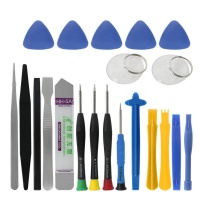
A comprehensive smartphone repair goes far beyond just replacing cracked glass. Swapping out a clogged speaker module, a faulty vibration motor, or a scuffed outer housing is entirely possible and highly rewarding. It is a holistic approach to device maintenance that ensures every single function operates flawlessly. Discover the perfect structural and audio parts for your device to achieve a complete and satisfying technological revival.
💰 The True Cost of an Upgrade: Why a Replacement Part is Always the Smartest Investment
To fully appreciate the value of device repair, we must conduct a deep dive into the underlying economics of smartphone ownership. The consumer electronics industry thrives on an aggressive upgrade cycle, spending billions on marketing to convince the public that a device slightly older than a year is inherently obsolete. When you contrast the towering price tag of a brand-new handset against the highly affordable cost of purchasing a specific replacement part, the financial logic heavily favors maintenance over replacement.
There is a powerful psychological factor at play when a device breaks. The frustration of dealing with a malfunction often triggers a rash desire to simply discard the problem and buy something new. However, the Samsung Galaxy F17 is a modern powerhouse. At a lightweight 192g, it packs more processing capability, memory, and graphical power than most users will ever fully utilize. Discarding this immense computing potential because of a single failing part is equivalent to buying a new car because the tires are worn out.
Every time you decide to make a purchase of a replacement part instead of a new device, you are making a profound statement against the culture of disposable technology. You are choosing to maintain the excellent hardware you already own, actively preventing toxic materials like lead, cadmium, and beryllium from entering the soil through e-waste. It is an investment in sustainability that pays immediate personal dividends through massive monetary savings.
Ultimately, a replacement part is undeniably the smartest investment for any tech consumer. It teaches us to value our electronics, to understand their inner workings, and to take control of our technological footprint. By choosing to fix rather than discard, you maximize the return on your original investment while keeping a highly capable device in active service.
🛒 Ready to Fix It? Where to Buy Authentic Spare Parts for Your SM-E176B/DS
Having understood the massive benefits of repairing your device, the final and most crucial step is navigating the spare parts market safely. Sourcing the right components for your SM-E176B/DS requires diligence and a basic understanding of industry terminology. The internet is flooded with unverified sellers offering parts of dubious quality, which can lead to poor performance, further hardware damage, or even safety risks, particularly when dealing with counterfeit lithium-ion batteries.
To ensure a successful repair, you must understand the technical differences between the grades of parts available. As discussed, Original Service Packs guarantee factory-level performance, identical to the day your device was manufactured. If you opt for aftermarket solutions, such as OLED or INCELL screens, it is imperative to buy them from a transparent vendor that clearly explains the specifications, contrast ratios, and structural differences of these alternatives. Informed buyers make confident, regret-free decisions.
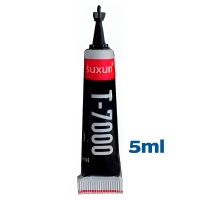
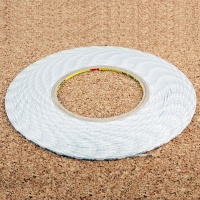
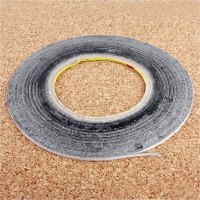
When you are ready to make a purchase, relying on a dedicated, professional supplier like iLevante ensures you receive exactly what you need. Our catalog is meticulously curated, providing detailed technical descriptions, compatibility guarantees, and the assurance that you are receiving high-quality, safe materials. Whether you are searching for a complex logic board component or a simple adhesive strip, authenticity and quality control must be your top priorities.
Do not let minor damages dictate the lifespan of your valuable electronics. Armed with the right knowledge and the correct parts, you possess the power to safely repair your mobile device. Take control of your technology, save your hard-earned money, and experience the immense satisfaction of bringing your device back to life. Discover the perfect, authentic components for your device today and begin your repair journey with absolute confidence.
📊 Generational Leap: Samsung Galaxy F17 vs Samsung Galaxy F15 5G
To truly understand the value of maintaining your Samsung Galaxy F17, it is highly educational to compare it with its predecessor, the widely popular Galaxy F15 5G. This comparison highlights the significant technological leaps made in just a short timeframe. The F17 represents a refinement in almost every category, from the implementation of a more vibrant display architecture to an optimized physical footprint that reduces weight while maximizing screen real estate.
While the older generation served as a reliable workhorse, the F17 pushes the boundaries of the mid-range segment. By keeping this advanced device in perfect working condition through smart repairs, you are preserving a piece of technology that drastically outperforms devices released just a couple of years prior. Below is a comparative breakdown illustrating the evolutionary steps between these two models, proving exactly why your current device is well worth fixing.
| Feature | Samsung Galaxy F15 5G (Predecessor) | Samsung Galaxy F17 (SM-E176B/DS) |
|---|---|---|
| Screen Size & Tech | 6.5 inches, Super AMOLED, 90Hz | 6.7 inches (110.2 cm²), Super AMOLED, 90Hz |
| Peak Brightness | 800 nits (HBM) | 1100 nits |
| Dimensions | 160.1 x 76.8 x 9.3 mm | 164.4 x 77.9 x 7.5 mm (Much slimmer profile) |
| Weight | 217 g | 192 g (Significantly lighter) |
🧰 Pro-Tips for Maintaining Your Samsung Galaxy F17
Preventative maintenance is the ultimate secret to maximizing the lifespan of your smartphone. By adopting a few simple daily habits, you can drastically reduce the likelihood of needing to purchase replacement components in the future. Here are some highly effective, technically sound tips to keep your device operating flawlessly:
🔋 Optimal Battery Health Management
To slow down the chemical degradation of your lithium-ion battery, avoid extreme charge states. Try to keep your battery percentage between 20% and 80% most of the time. Do not leave your phone plugged in under a hot pillow overnight, as excessive heat is the number one enemy of battery longevity.
🖥️ Screen Burn-In Prevention
Because your device utilizes an advanced Super AMOLED display, it is susceptible to "burn-in" if static images are displayed at high brightness for prolonged periods. To prevent this, enable auto-brightness so the 1100 nits peak is only used when necessary (like outdoors in the sun), and set your screen timeout to 30 seconds or less.
🧹 Port and Speaker Hygiene
Pocket lint is naturally compacted into your charging port every time you plug in a cable, eventually causing charging failures. Every few months, use a non-conductive wooden or plastic toothpick (never metal) to gently scoop out debris from the USB-C port and bottom speaker grilles. This simple fix prevents audio distortion and charging malfunctions.