Xiaomi 14T and 14T Pro: Similarities and Differences.
Publicado por Maria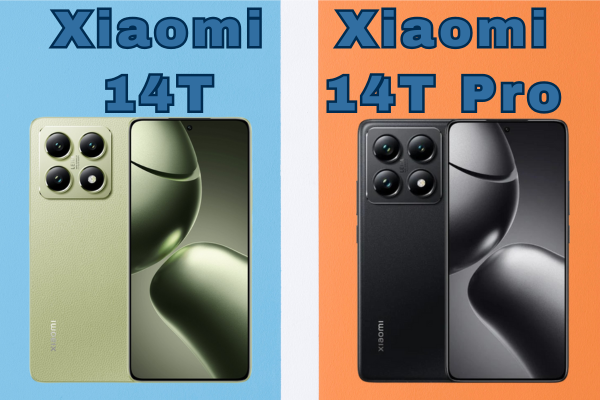
Xiaomi 14T and 14T Pro: Similarities and Differences
Hello to all technology enthusiasts and "tinkerers"! If you've made it here, you're probably at that classic crossroads: should I buy the standard model, or stretch my budget for the Pro? Or maybe, as often happens to us at iLevante.com, you have one of the two with a shattered screen and are looking to see if it's worth fixing or if the parts are compatible between them.
Let's be clear and straightforward. Xiaomi is back with its T series, the range that stops just short of the ?1,000 "flagship" models but delivers impressive features. The Xiaomi 14T and Xiaomi 14T Pro are two beasts, but they have key differences that aren't visible at first glance and matter a lot when it comes to repair or long-term maintenance. Here, we?re not just discussing megapixels; we?re delving into what?s "under the hood" and what tends to fail in these devices.
Comparison Table: Xiaomi 14T vs Xiaomi 14T Pro
Before diving into the technical details, let?s take a quick look at the numbers. Pay attention to the differences in charging and processor, as that?s where the technical "meat" lies.
| Feature | Xiaomi 14T | Xiaomi 14T Pro |
|---|---|---|
| Screen | 6.67" AMOLED CrystalRes, 144Hz, 4000 nits (peak) | 6.67" AMOLED CrystalRes, 144Hz, 4000 nits (peak) |
| Processor (CPU) | MediaTek Dimensity 8300-Ultra (4nm) | MediaTek Dimensity 9300+ (4nm) |
| Main Camera | 50 MP, Sony IMX906, f/1.7, OIS | 50 MP, Light Fusion 900, f/1.6, OIS |
| Telephoto Lens | 50 MP, 50mm (2x optical) | 50 MP, 60mm (2.6x optical) |
| Battery | 5000 mAh | 5000 mAh |
| Fast Charging | 67W HyperCharge | 120W HyperCharge + 50W Wireless |
| Materials | Aluminum alloy frame (lighter feel) | High-strength aluminum alloy frame + Curved glass back |
| Resistance | IP68 (Water and dust) | IP68 (Water and dust) |
| Connectivity | Wi-Fi 6E, Bluetooth 5.4 | Wi-Fi 7, Bluetooth 5.4 |

Summary of technical differences: What they don't tell you in the ads
At first glance, side by side with the screen on, you?ll struggle to distinguish them. Both feature a 6.67-inch AMOLED panel that?s a visual delight. If the screen breaks on either, prepare your wallet, as these 144Hz and 4000-nit display panels are not cheap replacements, though at iLevante we strive to keep prices as reasonable as possible. The image quality is identical, so there?s no noticeable leap there.
The real "magic" (and potential headaches) lies inside. The Xiaomi 14T Pro is a beast with the Dimensity 9300+ chip. To put it in perspective: it?s like a Ferrari engine inside a sedan. This is fantastic for gaming but generates more heat. The 14T standard, with the Dimensity 8300-Ultra, is more balanced. It remains immensely powerful but manages temperature more efficiently, which can benefit the motherboard and battery longevity.
The decisive factor: Charging and Battery
Here?s where, as technicians, we see the biggest difference. The 14T Pro charges at 120W. It?s amazing to watch the percentage climb, but this type of charging causes considerable thermal stress on the battery. Additionally, it includes 50W wireless charging. What does this mean for hardware? The 14T Pro has a rear induction coil and a much more complex charging circuit. If you ever need to open it to replace the back cover (which is curved glass and breaks easily if you don?t use a case), you have to be extremely cautious not to damage that coil.
??Here?s the replacement for the 5000mAh Battery Xiaomi 14T Pro BM5W
The 14T sticks with 67W and lacks wireless charging. It?s simpler and less prone to failures caused by extreme heat during charging. Theoretically, its battery might degrade slightly slower if you often rely on fast charging daily.
Top Features of Each Model
Xiaomi 14T: The Rational Balance
The best thing about the Xiaomi 14T is its quality-price-durability ratio. Without having such a "power-hungry" processor or aggressive charging, it?s a device that feels very balanced. Its main camera, though using the Sony IMX906 sensor (inferior to the Pro?s), still has optical image stabilization (OIS). This is critical: if the camera shakes or doesn?t focus, it?s usually a mechanical failure of the OIS module, and in this model, it?s a somewhat cheaper component to replace than in its bigger sibling.
Additionally, the design is flat. For repairs, flat screens are generally less prone to phantom touches on the edges, and tempered glass screen protectors fit much better, effectively safeguarding the original panel.
Xiaomi 14T Pro: Raw Power and Premium Photography
The 14T Pro stands out for its sensor Light Fusion 900. It?s a larger sensor that captures significantly more light. If you take night photos, the difference is enormous. But beware; a larger sensor means a more prominent camera module. The camera glass protrudes quite a bit, leaving it highly exposed to scratches or breaks when placed on rough surfaces. At iLevante, we always recommend using a specific protector for the lenses on this model.
Its other major features include Wi-Fi 7 and wireless charging. These high-end features can be life-changing if you have a compatible router or Qi chargers at home. The in-hand feel is also more "premium" thanks to the curved back, though it?s more slippery (and more likely to visit our service center after a drop).
List of Common Issues and Weak Points
Now we get into the area that interests us most at iLevante. What typically breaks on these devices? Based on their hardware architecture and experience with the previous T Series, here are the critical points.
Common Issues with the Xiaomi 14T ?
- USB-C Charging Port: As it?s the only fast-charging avenue (no wireless), the USB-C port undergoes substantial mechanical wear. It?s common, after a year of intense use, to notice looseness or failure to recognize Turbo charging. Keeping it lint-free is crucial.
- Exposed Camera Module: Although less protruding than the Pro, the camera "island" design is still large. The glass covering the lenses tends to be the second most common break after the screen.
- Volume and Power Buttons: In non-Pro models, internal button flex cables can occasionally lose their characteristic "click" over time due to dirt or moisture, even with the IP68 certification.
- Standard Battery Degradation: Although 67W is safe, it?s still fast charging. After two years, a performance drop is normal, an ideal time to purchase a replacement battery kit.
Common Issues with the Xiaomi 14T Pro ?

- Overheating (Thermal Throttling): The Dimensity 9300+ is a beast but gets hot. Gaming while charging at 120W will make the phone very warm. This can soften the rear cover adhesive over time or degrade the internal thermal paste, requiring premature maintenance.
- Rear Cover Breakage (Back Glass): With curved glass and a heavy, slippery design, the back cover is the top victim of gravity. Replacing it is trickier because of the wireless charging coil adhered right underneath.
- Accelerated Battery Wear: The 120W charging is incredible but chemically stressful. The Pro?s battery health is likely to drop below 80% faster than the standard model if you always use the original charger at maximum power.
- Main Camera Focus Issues: With such a large and heavy sensor plus OIS, strong drops (even with a case) can jam the stabilization mechanism, causing the camera to vibrate or fail to focus to infinity.
Expert Tip: If you own a Xiaomi 14T Pro, try not to use the 120W charger daily. Use a slower charger overnight to extend the internal chemical battery life.
Which Is Easier to Maintain?
If you?re looking for a "tank" phone whose repairs are somewhat simpler and whose internal component durability (like the battery) will last longer, the Xiaomi 14T is your smart choice. It?s cheaper to buy and will probably give you fewer temperature-related scares.
However, if you want the latest and greatest and accept that high performance comes with greater maintenance (monitoring temperature, better protecting the back glass, watching battery health), the Xiaomi 14T Pro is an impressive machine. Just remember: at iLevante.com, we have the replacements for both because even the best aren?t immune to gravity.